
EL TIEMPO
“Canal de televisión para la comunidad Lgbt ya está al aire en internet, se llama 'Dominio G'”
LEER LA NOTA →
















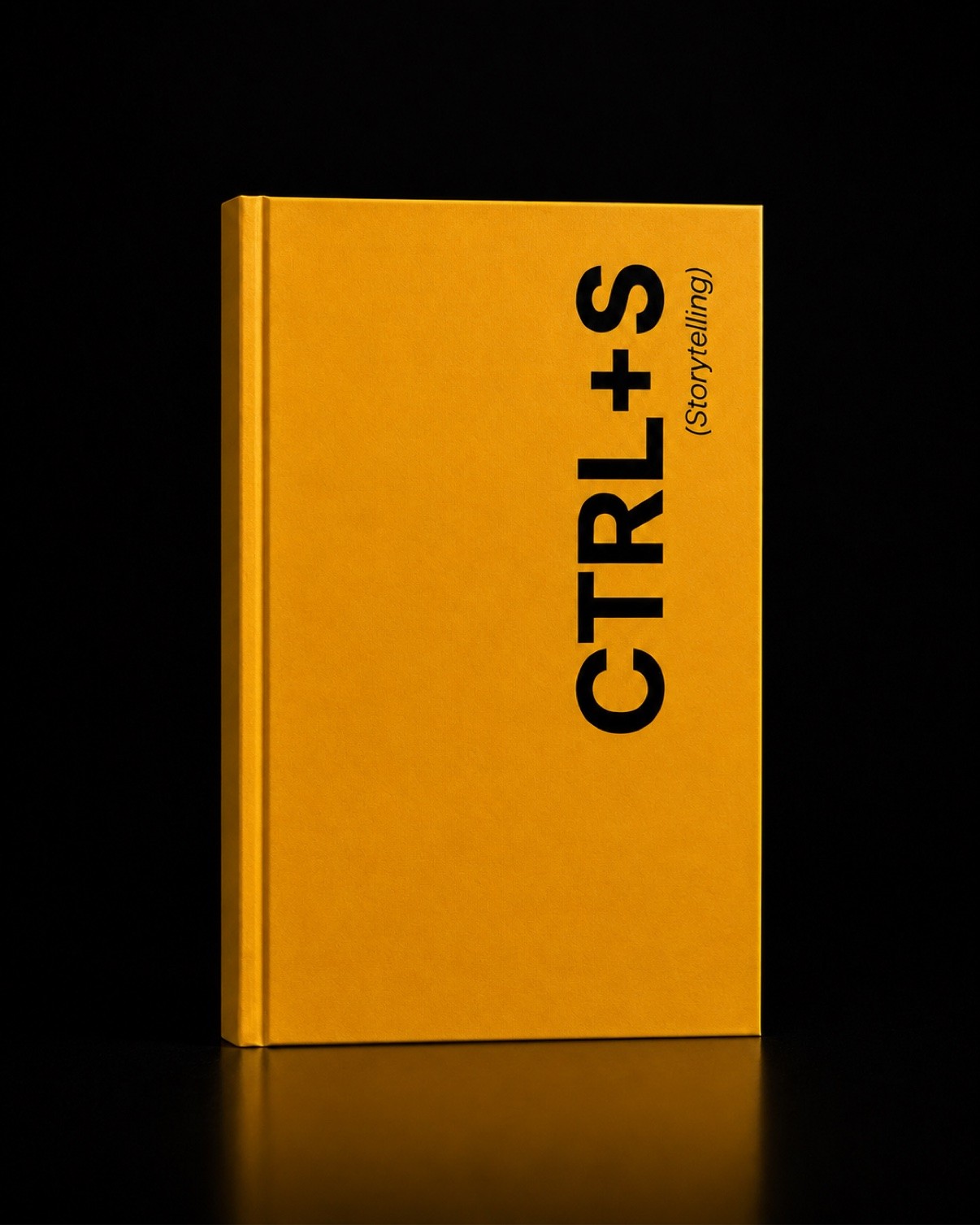
“Hay mucha gente aprendiendo a editar, pero poca aprendiendo a narrar.” El libro de Geo Aragón sobre el arte de contar historias desde la sala de edición: no cómo editar, sino cómo hacer storytelling.
DESCUBRIR EL LIBROSeries, realities, marcas y contenido digital: la historia manda.
HABLEMOS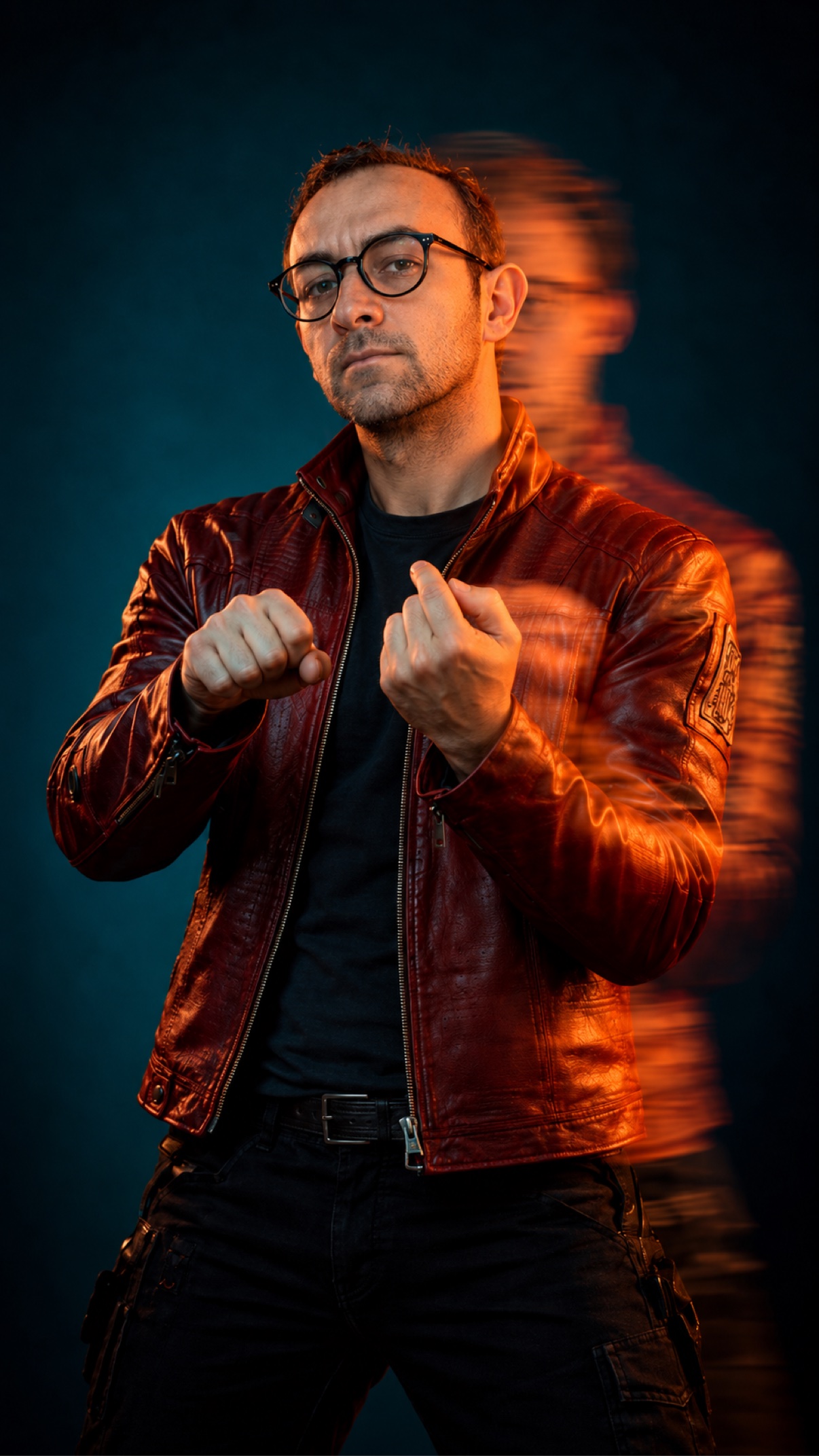
Hay editores que cortan. Geo Aragón cuenta. Con más de 20 años de trayectoria, su nombre está detrás de historias que millones de personas no pudieron dejar de ver: en la televisión que marcó a un país, en las plataformas que hoy ve el planeta entero y en las pantallas que caben en un bolsillo.
Su recorrido empezó editando shows de formato corto; de ahí saltó al formato largo, las series y novelas del prime time colombiano, vistas por millones, y después a producir contenido para las figuras de negocios con las audiencias más grandes del mundo. Ha supervisado equipos de más de 40 personas y miles de piezas para broadcast y streaming, y su trabajo ha sonado en social media, televisión, radio, webinars, TV paga y eventos en vivo. Si tiene una pantalla o un altavoz, es probable que una historia suya ya haya pasado por ahí.
Quienes lo han visto trabajar describen lo mismo: un pulso. Su técnica cabe en una frase, la historia manda, y se nota en cada corte: cada decisión responde a qué debe sentir quien mira, y en qué segundo exacto. Para Geo, editar es escribir con imágenes: estructura, ritmo, respiro y golpe; y dirigir es crear el momento en el que la emoción sucede de verdad, no actuarla. Por eso su trabajo se reconoce sin necesidad de ver los créditos: una escena suya no solo se ve bien. Se queda.
Esa mirada no nació por accidente. En 2007 dejó Bogotá rumbo a Burbank, California, para estudiar Film & TV Post & Production en Video Symphony, una de las escuelas de postproducción más importantes de Hollywood, a la altura de la New York Film Academy, pero consagrada a un solo oficio, y el centro de formación Avid número uno del mundo. No cruzó el continente a aprender botones ni atajos de teclado: fue a buscar horizontes creativos, a entender el storytelling más allá del montaje, a descubrir cómo se construye una emoción y cómo una historia se convierte en experiencia. Volvió con una convicción que todavía lo define: la técnica se aprende; el criterio se conquista.
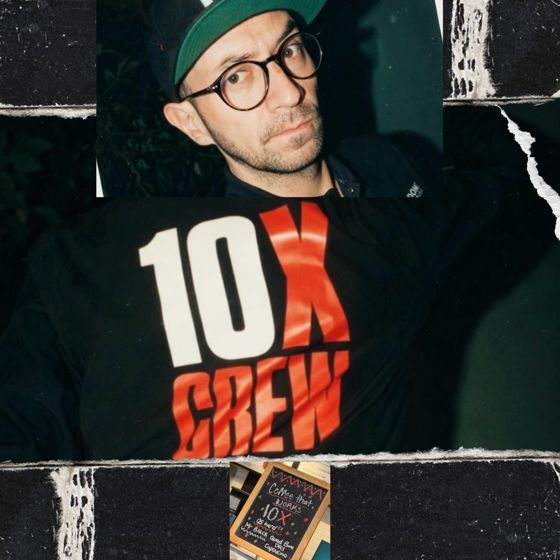
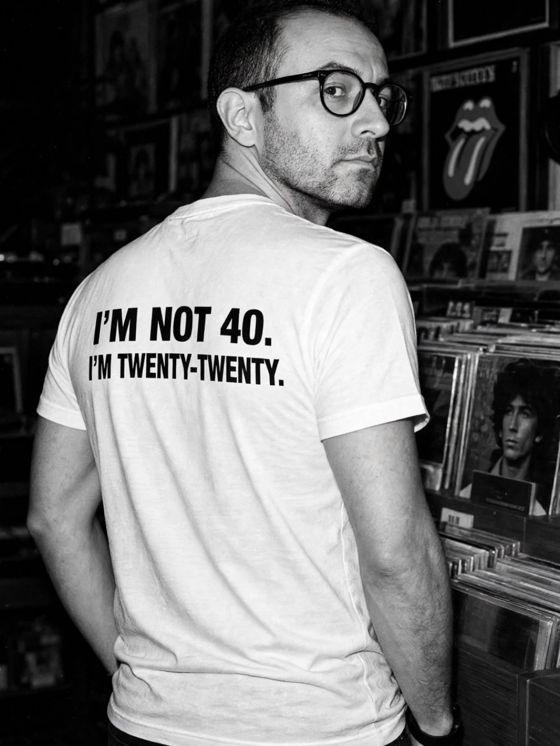
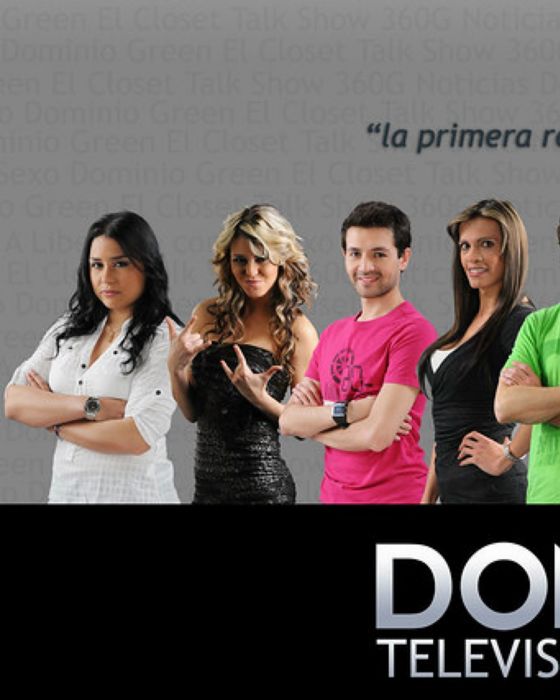
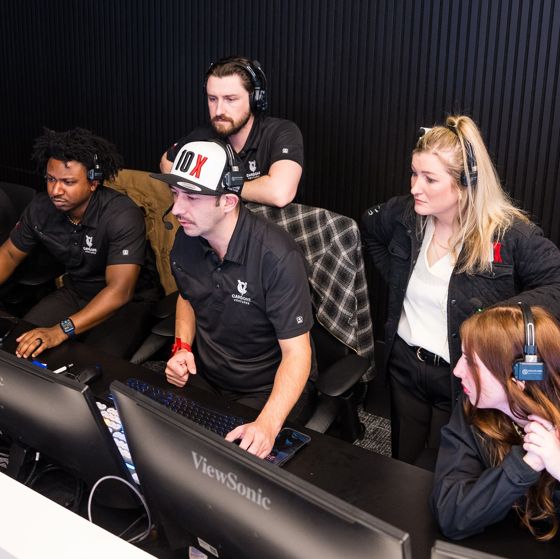
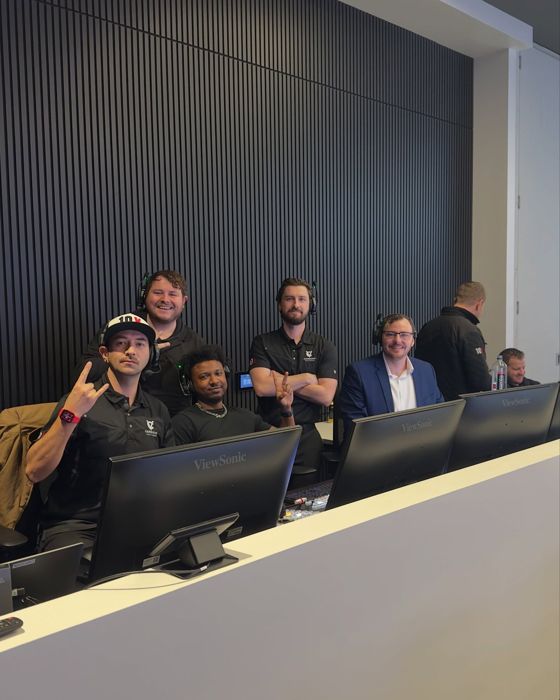
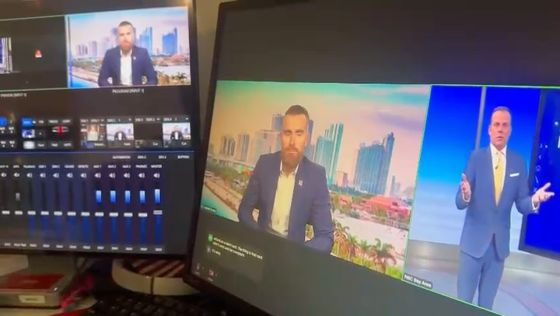
De vuelta en Colombia hizo lo que nadie había hecho. En 2009, cuando “streaming” era todavía una palabra rara, fundó y dirigió Dominio G: el primer canal de televisión por streaming online del país, creado para el público LGBT+H. Sin permiso y sin mapa, el canal fue noticia en El Tiempo, Caracol Radio y la agencia EFE, y en 2010 ganó cinco premios internacionales. Porque ser pionero no es llegar primero: es construir lo que todavía no existe y sostenerlo hasta que el mundo lo entienda.













Del prime time a la pantalla del celular: Geo ha contado historias en todos los formatos donde hoy vive el contenido.
Cuando lanzó Dominio G, la prensa nacional e internacional contó la historia. Estas son las notas que lo registraron:
“Canal de televisión para la comunidad Lgbt ya está al aire en internet, se llama 'Dominio G'”
LEER LA NOTA →
“Primer canal de TV colombiano por Internet para homosexuales”
LEER LA NOTA →
“Comienza a emitir por internet primer canal de televisión dirigido a comunidad homosexual. Geo Aragón, director”
ESCUCHAR LA NOTA →Empezó en la televisión colombiana editando shows de formato corto y de ahí pasó al formato largo, series y novelas en horario estelar; después supervisó la postproducción de formatos internacionales para Sony Pictures Television, con un equipo de más de 40 personas, y produjo más de 2.500 promos en Warner Bros. Discovery. Después llevó ese oficio al contenido digital de figuras de negocio con audiencias de millones, sin soltar lo suyo: Dominio G, el primer canal de televisión por internet LGBT+H de Colombia, que fundó y dirigió, y su libro CTRL+S (Storytelling).

Grant Cardone Enterprises: contenido de video de respuesta directa para un ecosistema de ventas que mueve millones de seguidores.
Valuetainment: entrevistas y piezas de negocios alrededor de Patrick Bet-David, donde cada video busca el momento que la gente comparte.
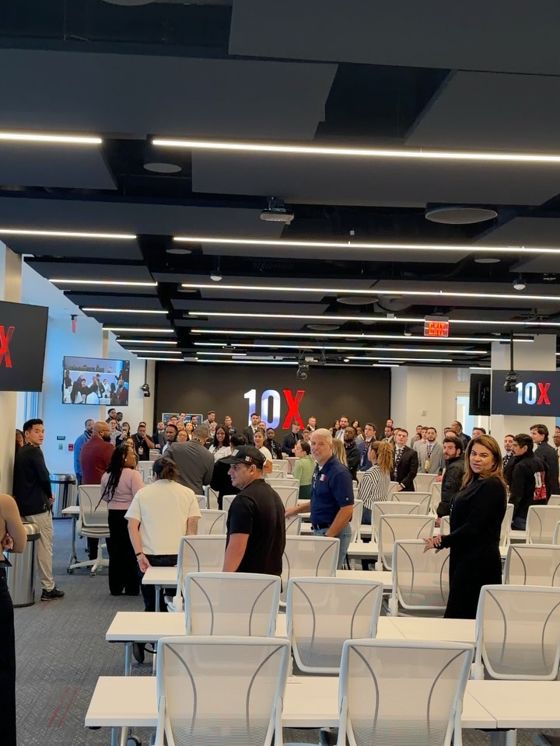
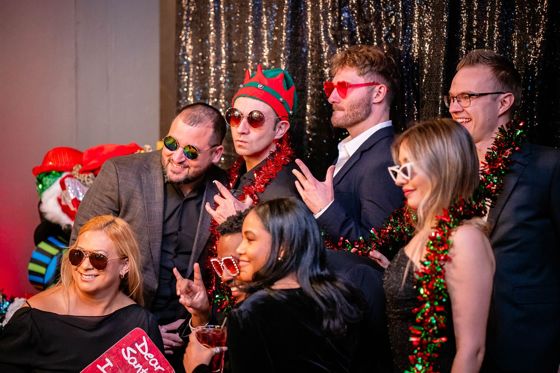
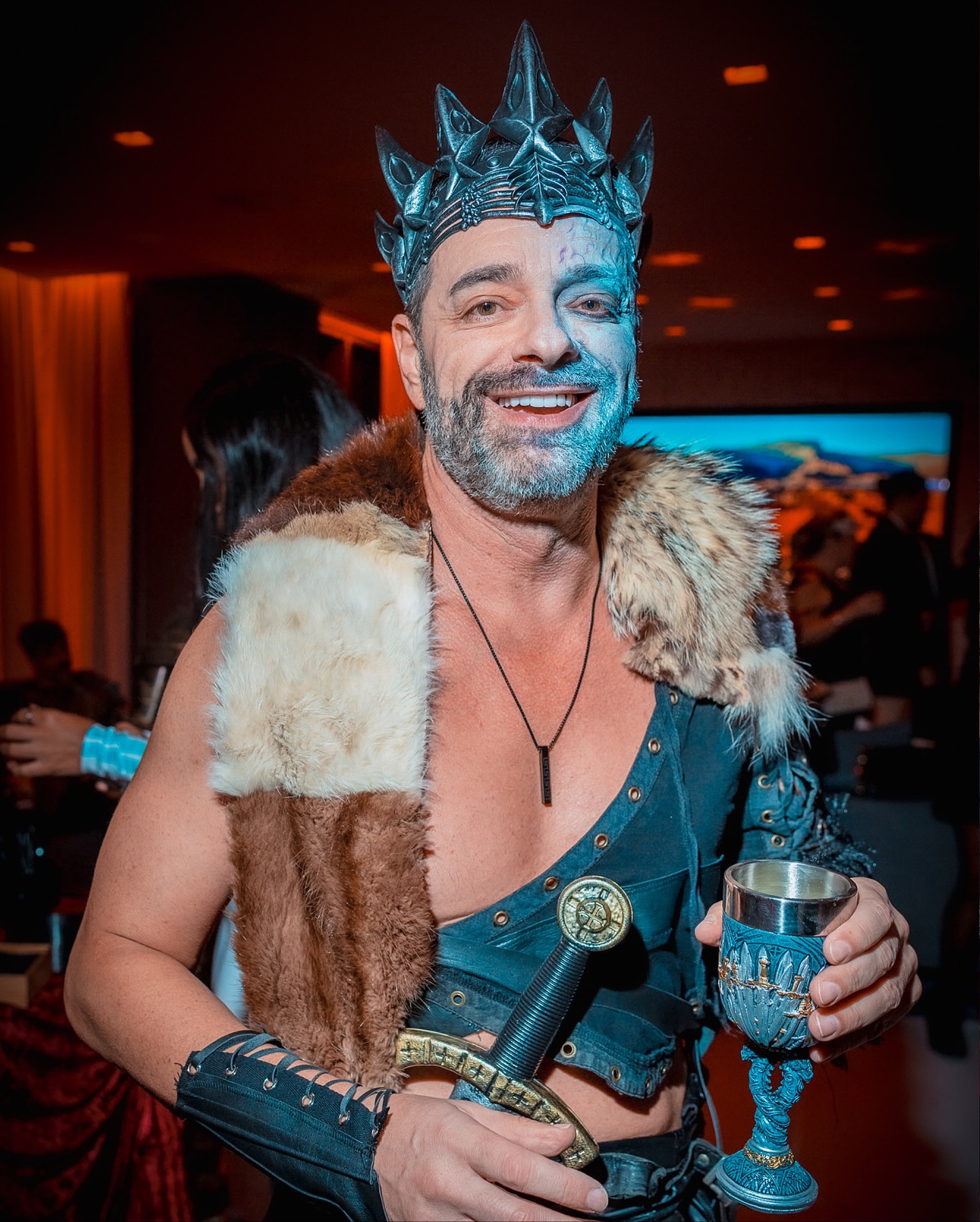
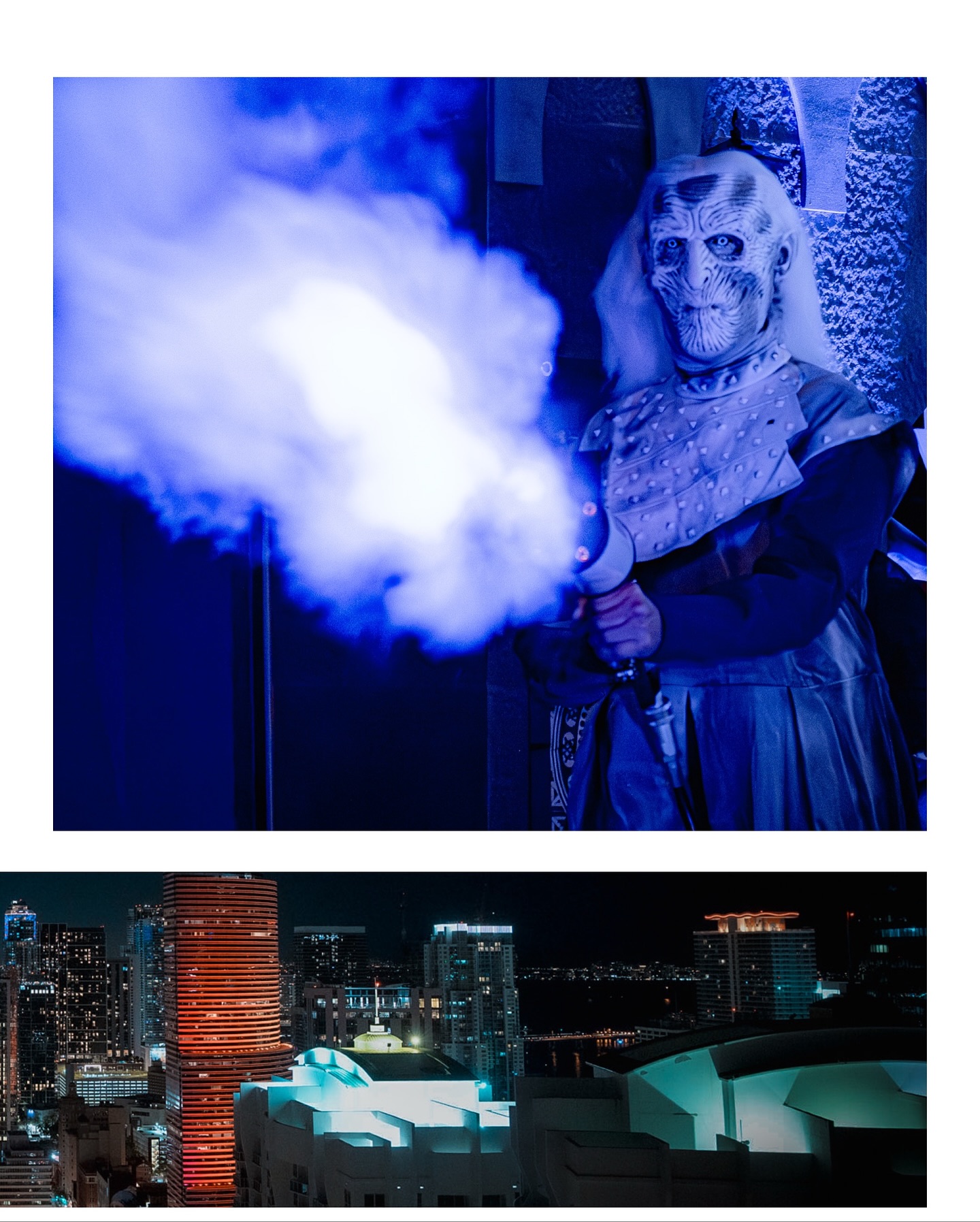
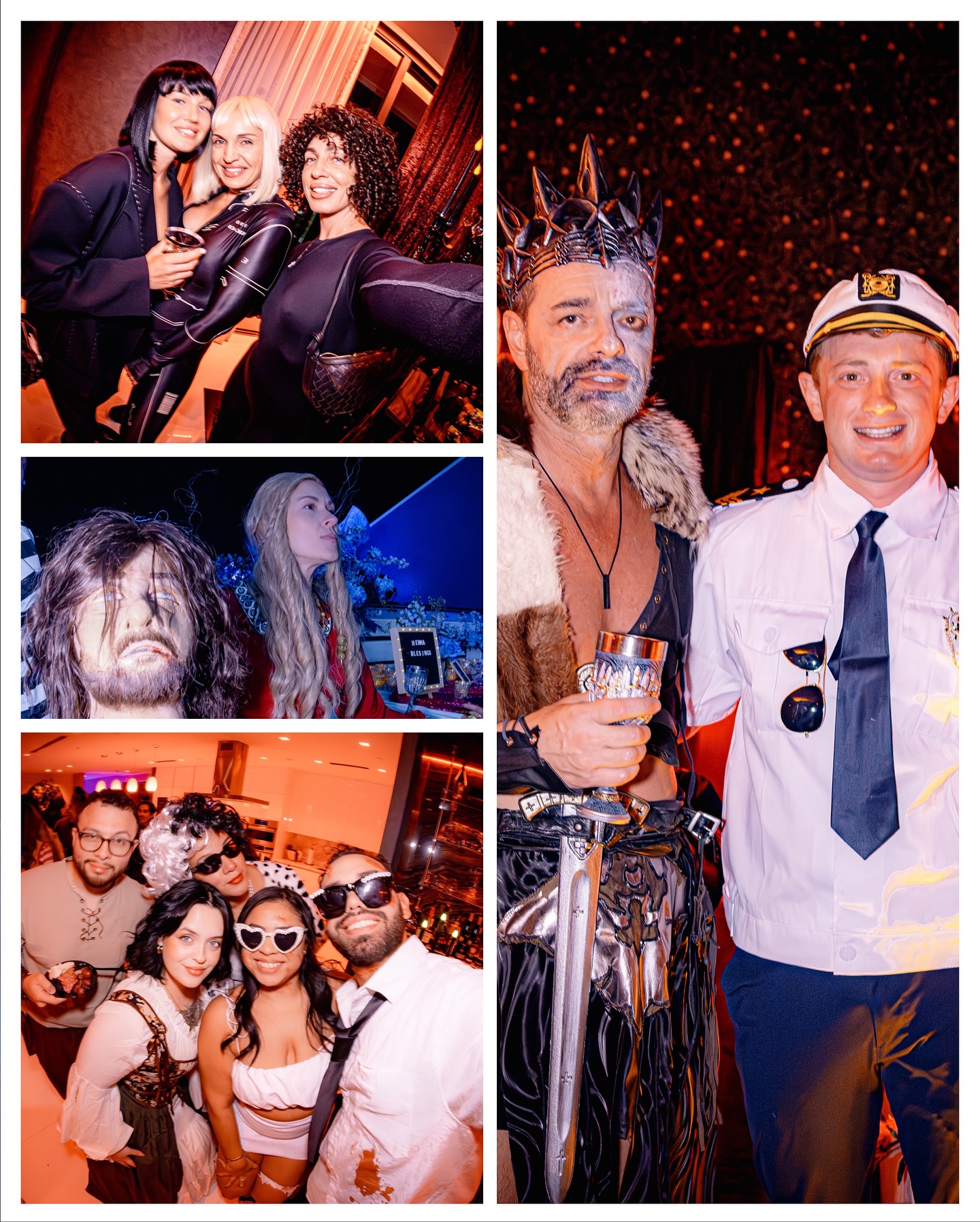
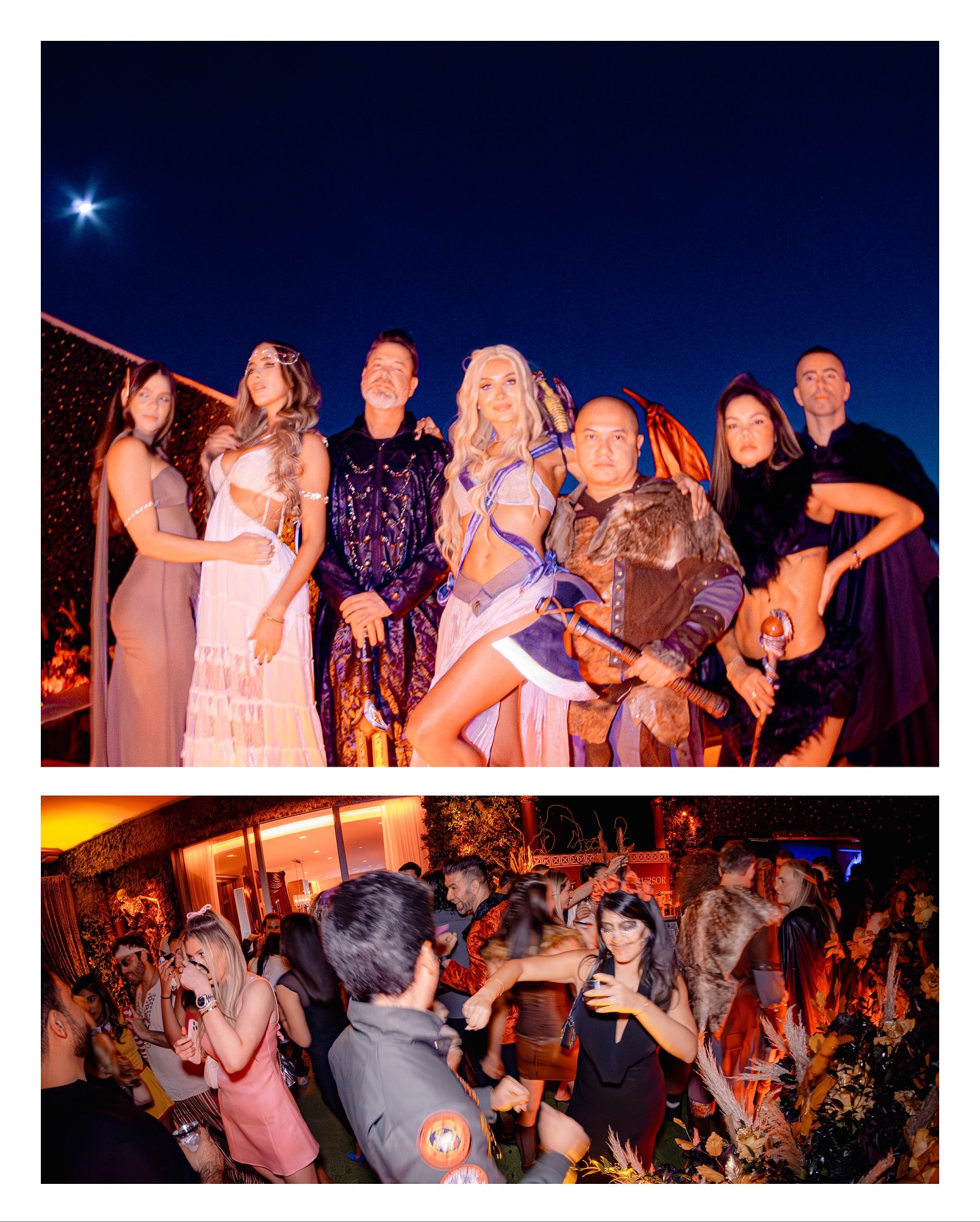
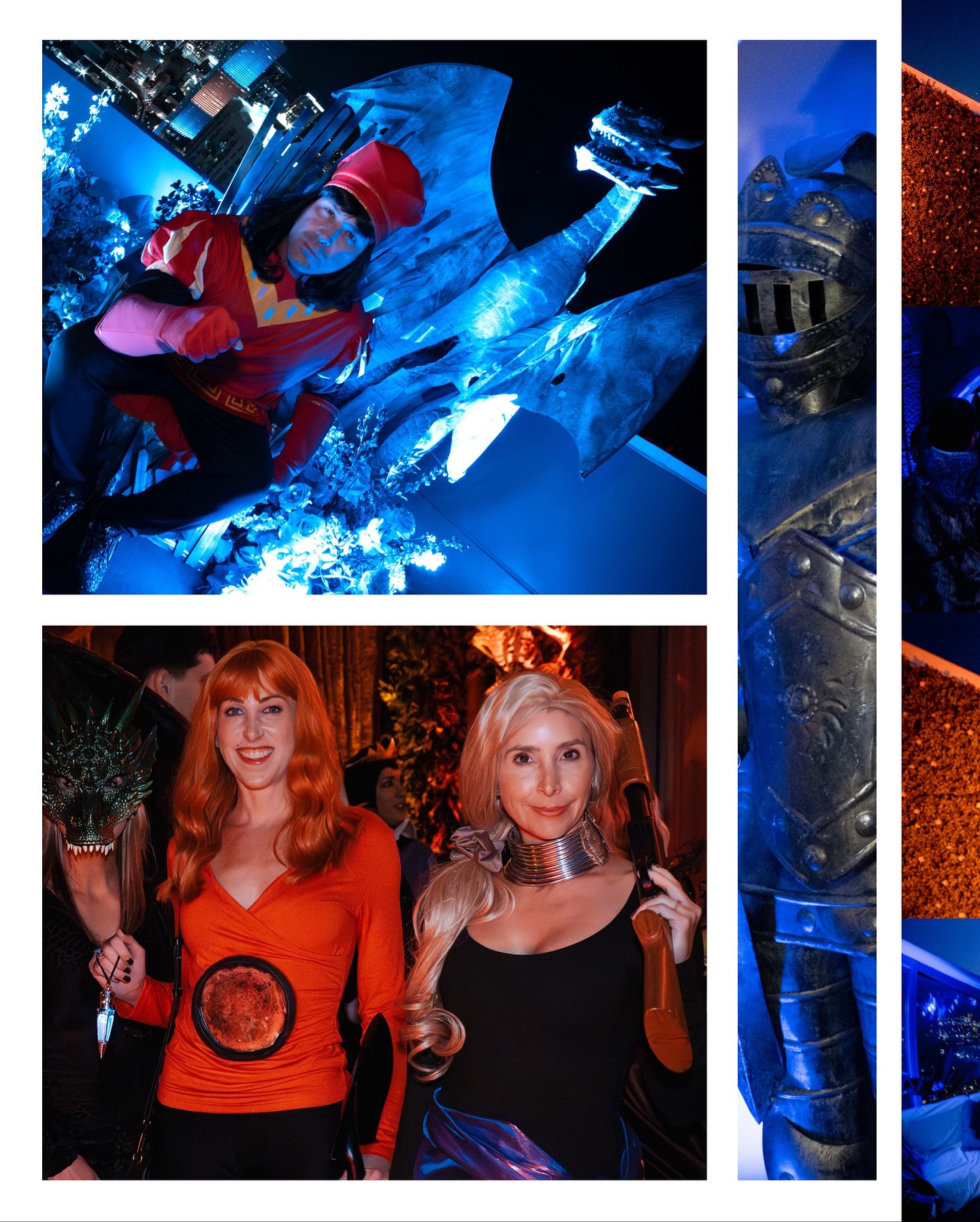
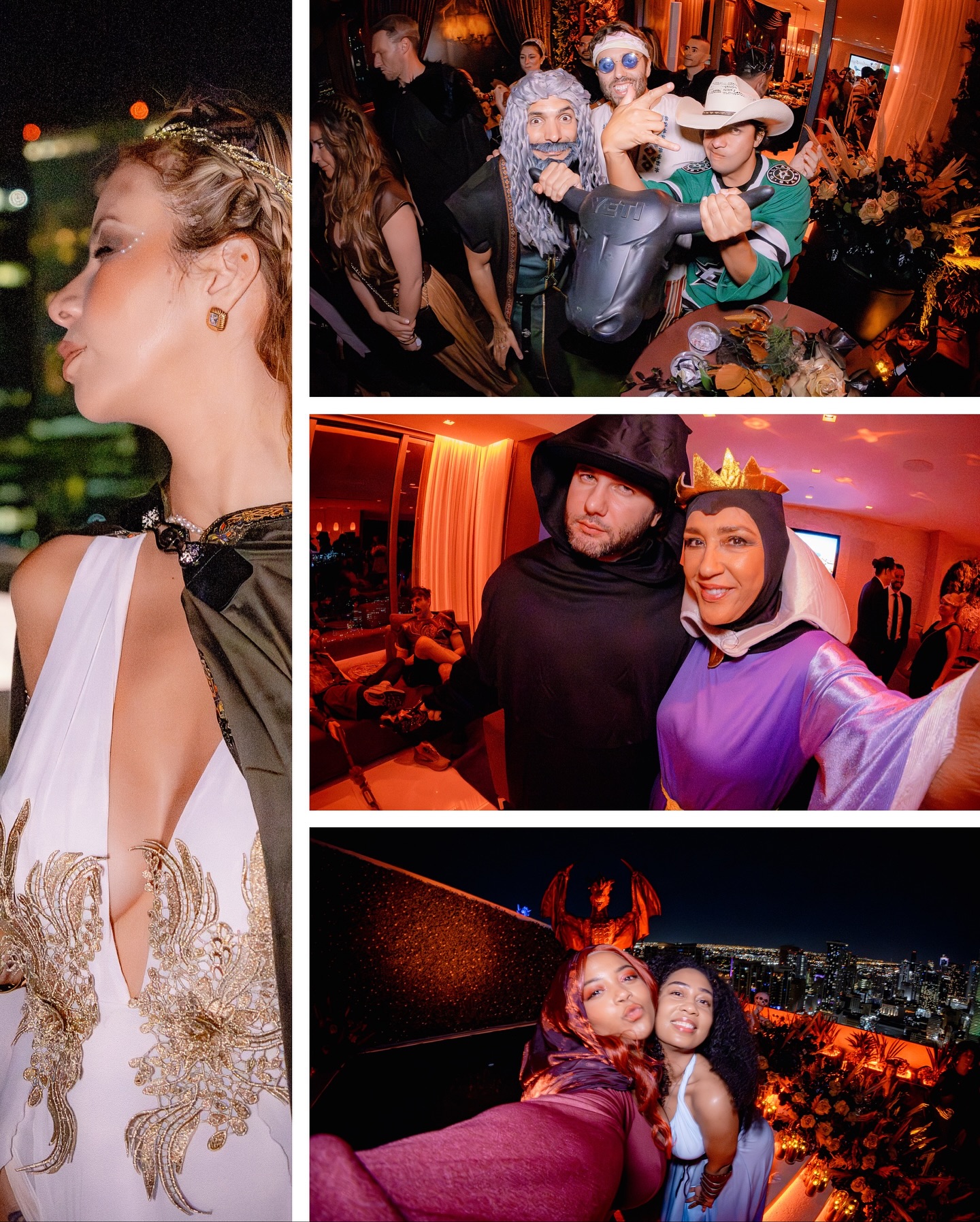
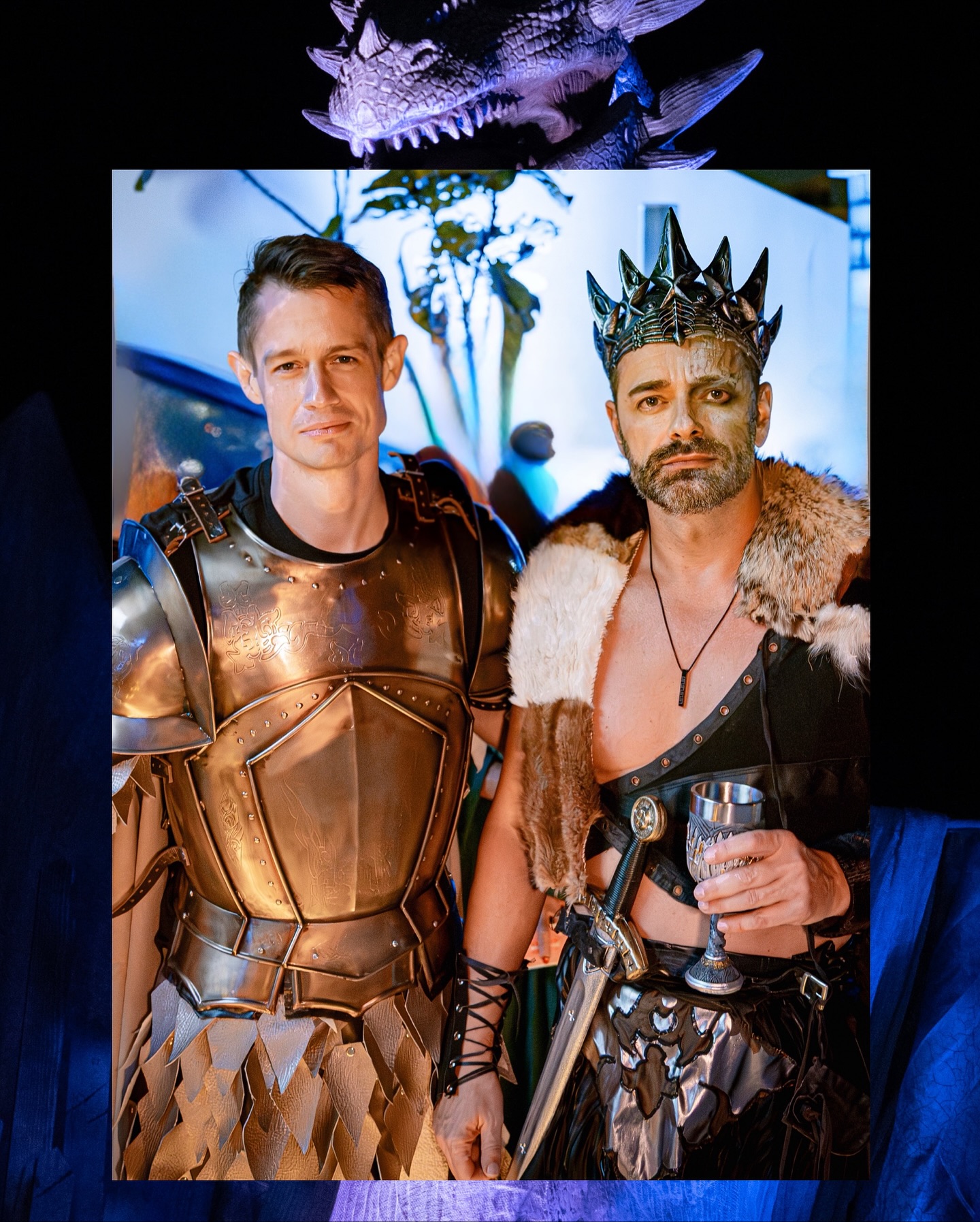
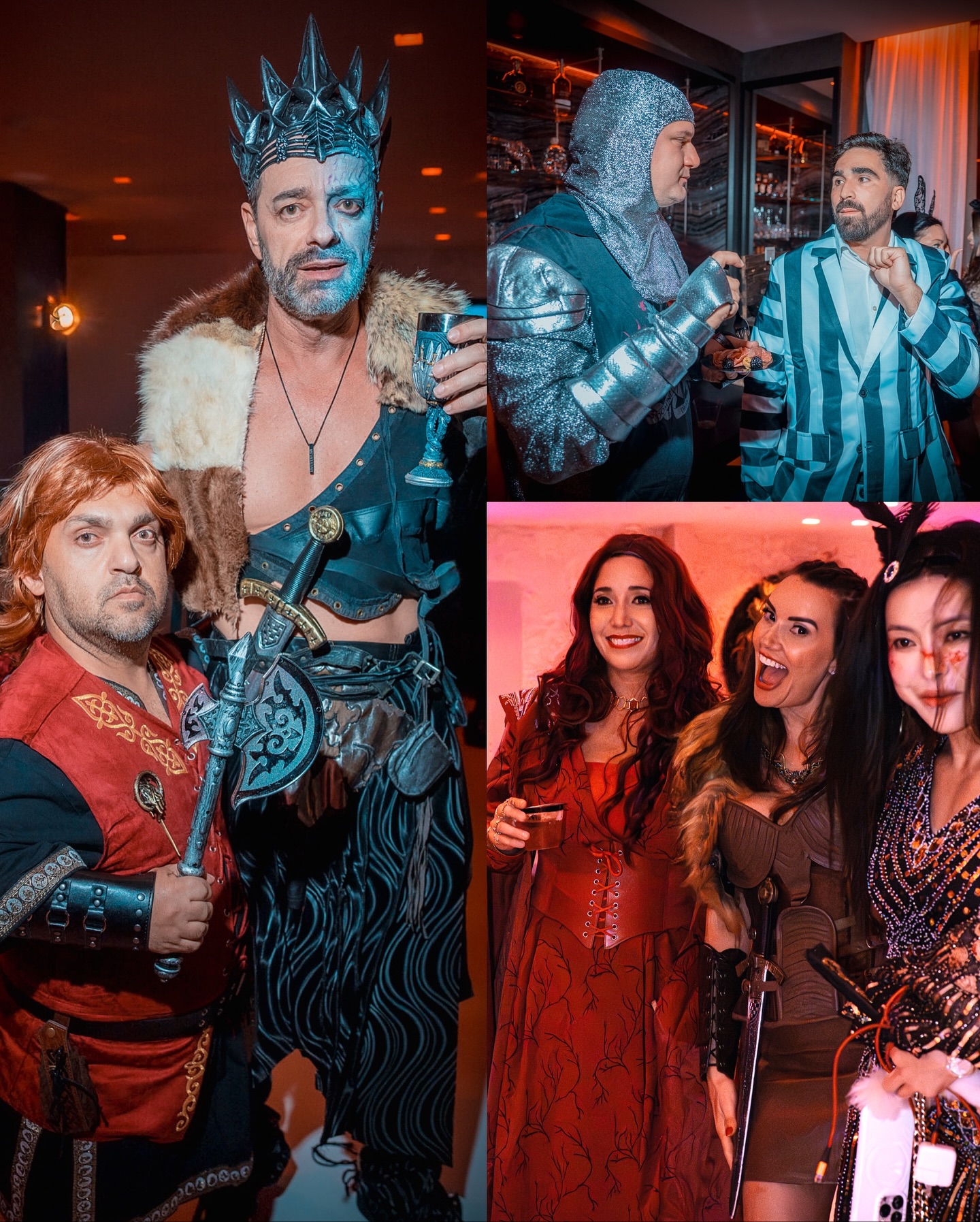
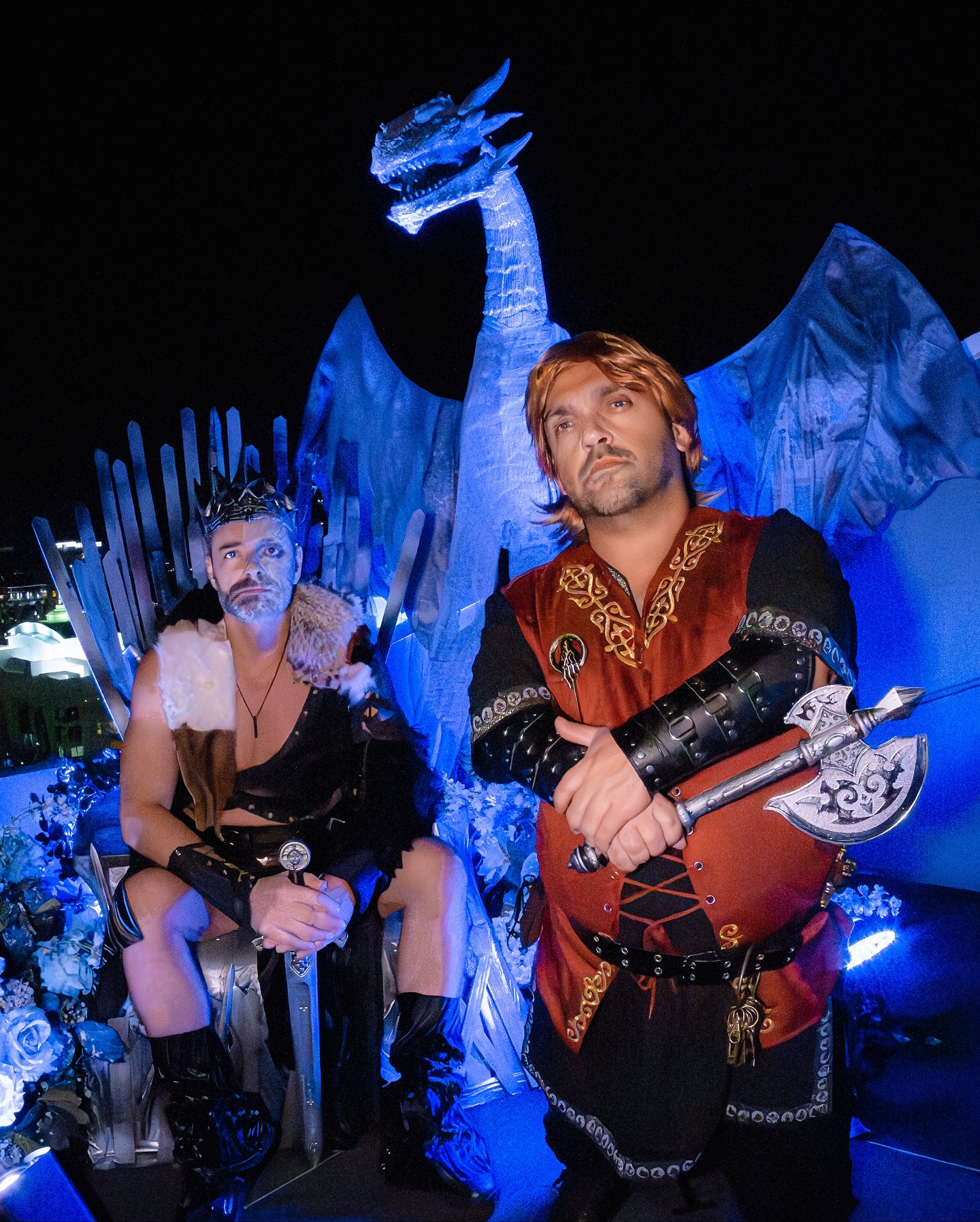
El proyecto: creación de contenido en la fiesta de Halloween de la firma, entre abogados, disfraces y celebración.
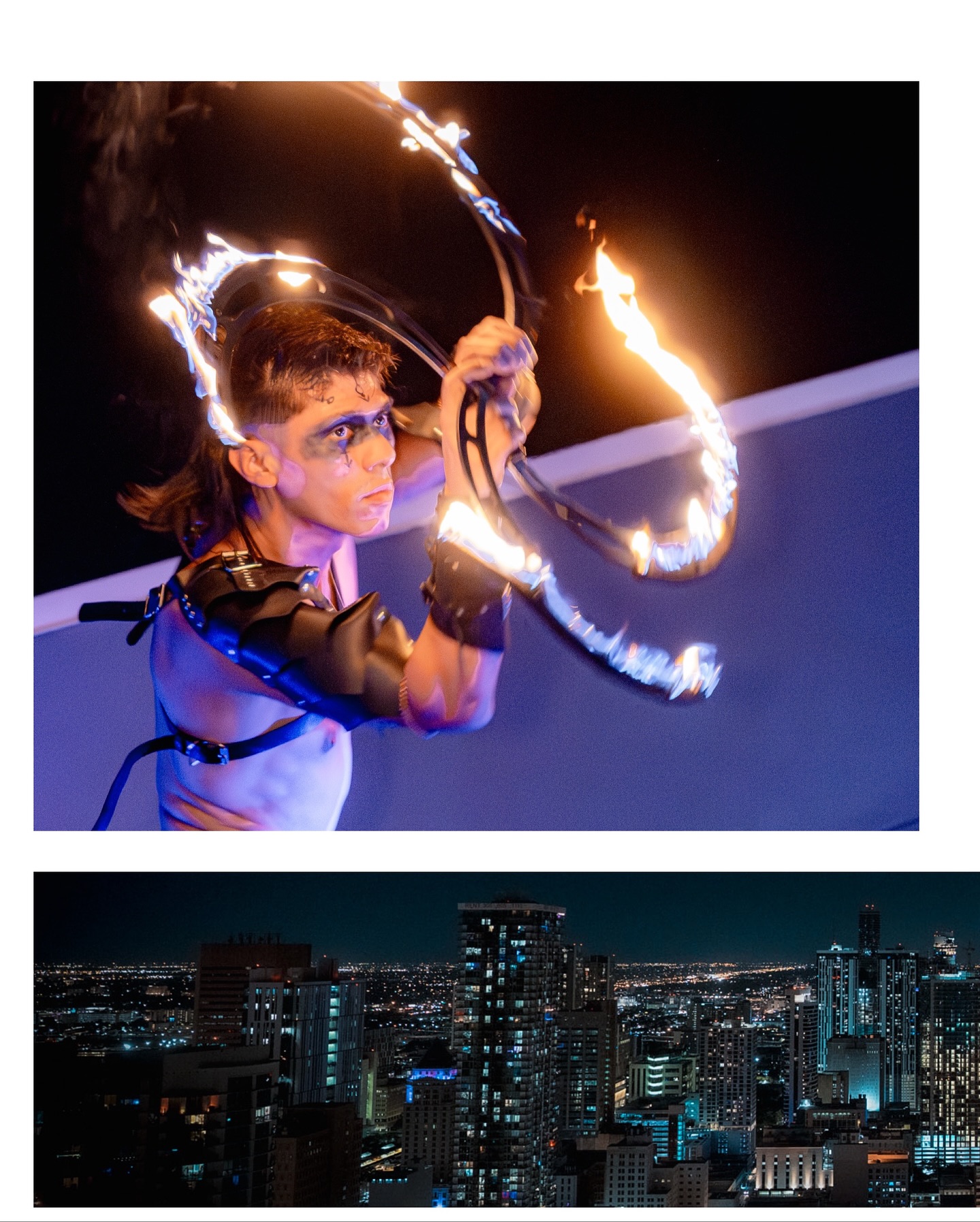

El proyecto: producción de conferencias y programas que enseñan a escalar empresas, junto a Brandon Dawson.
El proyecto: llevar campañas globales a cada mercado de Latinoamérica sin que pierdan su idea ni su idioma.
El proyecto: postproducción de cine colombiano, del primer corte al acabado final.
El proyecto: promos que venden una serie o una película en 30 segundos, para toda la región.
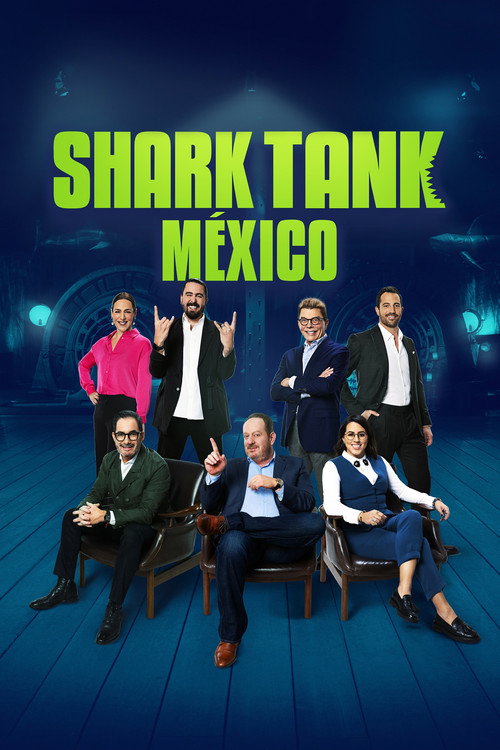
Shark Tank México: emprendedores presentan su negocio ante cinco tiburones dispuestos a invertir su propio dinero.
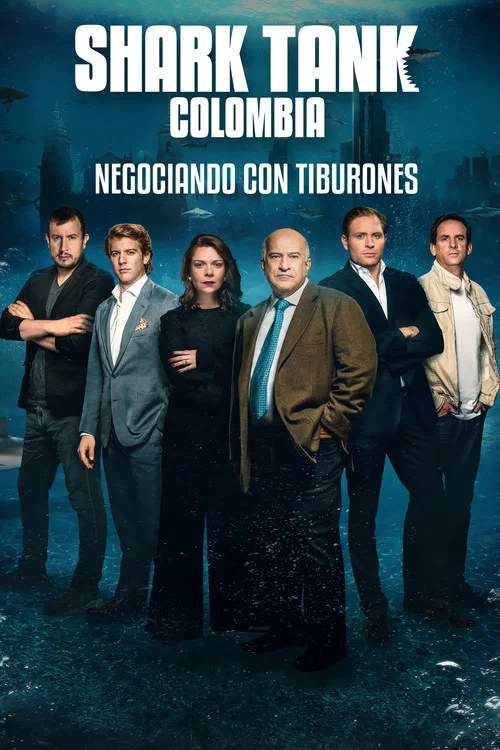
Shark Tank Colombia: la versión colombiana del tanque, con emprendedores locales negociando con los tiburones.
Are You The One?: solteros conviven buscando a su pareja ideal, la que un algoritmo eligió por ellos.

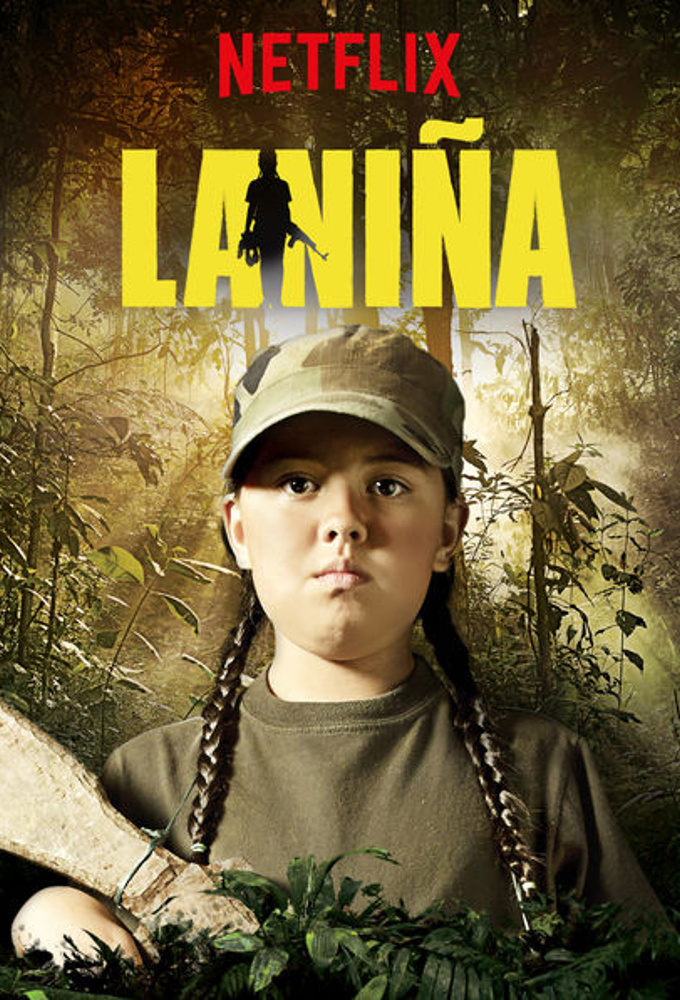
La Niña: una joven que creció en la guerrilla intenta rehacer su vida lejos del conflicto.
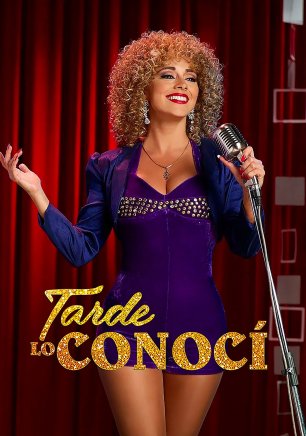
Tarde lo conocí: la vida de Patricia Teherán, la mujer que se impuso como la voz femenina del vallenato.
Así Somos: un recorrido por las costumbres y la identidad de las regiones de Colombia.
Qué Camello: los oficios de los colombianos, contados desde el trabajo de cada día.
Bichos: la fauna colombiana contada para niños y familias.
Celia: la vida de Celia Cruz, de La Habana al trono mundial de la salsa.

El proyecto: promos de destinos y de la experiencia a bordo, del Canal de Panamá al Caribe.
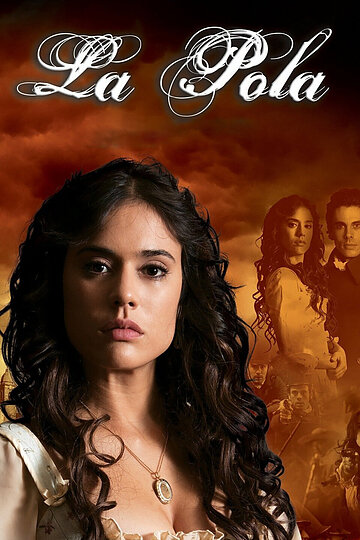
La Pola: la historia de Policarpa Salavarrieta, la heroína que espió para la independencia de Colombia.
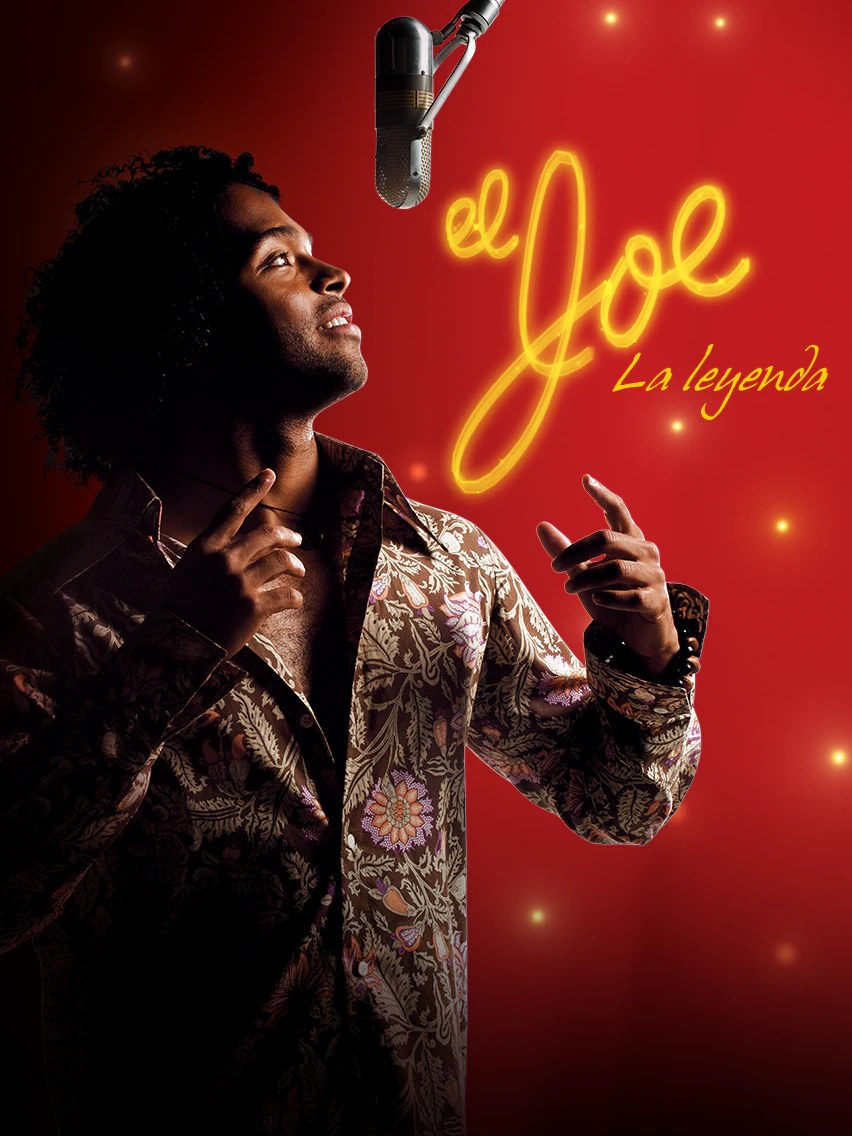
El Joe, la leyenda: la vida de Joe Arroyo, el cartagenero que convirtió su sonido en himno del Caribe.
Dr. Mata: el caso real de un asesino en serie que estremeció a la Bogotá de los años cuarenta.

Hay libros que enseñan a manejar un programa. CTRL+S (Storytelling), el libro del storyteller y editor Geo Aragón, se propone algo más incómodo y más útil: enseñar a pensar como un editor.
“Hay mucha gente aprendiendo a editar, pero poca aprendiendo a narrar.”
La historia del libro empieza a mediados de los años noventa, cuando el padre de Aragón lo llevó siendo niño a una casa productora y lo dejó mirar, fascinado, cómo se construía una historia entre cintas, monitores y botones. Era la época de la edición lineal, cuando CTRL+Z todavía era un lujo y cada decisión costaba tiempo y material. De ahí viene la costumbre que recorre cada página: pensar antes de cortar, mirar la historia antes de intervenirla.
Escrito entre 2024 y 2026 y ya en su segunda edición, CTRL+S parte de una convicción: la herramienta nunca toma la decisión más importante, la toma el editor. Por eso no hay atajos de teclado ni recetas de efectos. Lo que hay es una pregunta que se repite como un metrónomo en todo el libro: ¿qué quiero que sienta quien vea esto?
“La herramienta nunca toma la decisión más importante. La toma el editor.”
Las 23 escenas que siguen al prólogo y la introducción cubren el oficio de principio a fin: ver antes de cortar, el ritmo que vive en el corazón y en el oído, la música que no debe robarse la escena, la luz y el color como subtexto, el corte invisible, la arquitectura emocional de una historia, la edición de no ficción sin traicionarla, el trabajo bajo presión y el arte de dejar ir lo bueno para proteger lo mejor. Cada escena mezcla historias reales de producción, principios y sistemas de trabajo que se pueden entrenar, con una apuesta clara: el criterio no es un talento misterioso, se construye.
El título guarda la metáfora central. En una sala de edición, CTRL+S salva el proyecto; en estas páginas, salva la historia: de las decisiones apresuradas, del exceso de efectos, de la técnica sin intención. Es un libro para editores, directores y creadores que ya saben mover clips y quieren dar el paso siguiente, aprender a narrar. Su lanzamiento será anunciado próximamente.
El personaje y el canal que lo empezó todo: dos proyectos propios que corren al tiempo con el trabajo para clientes.

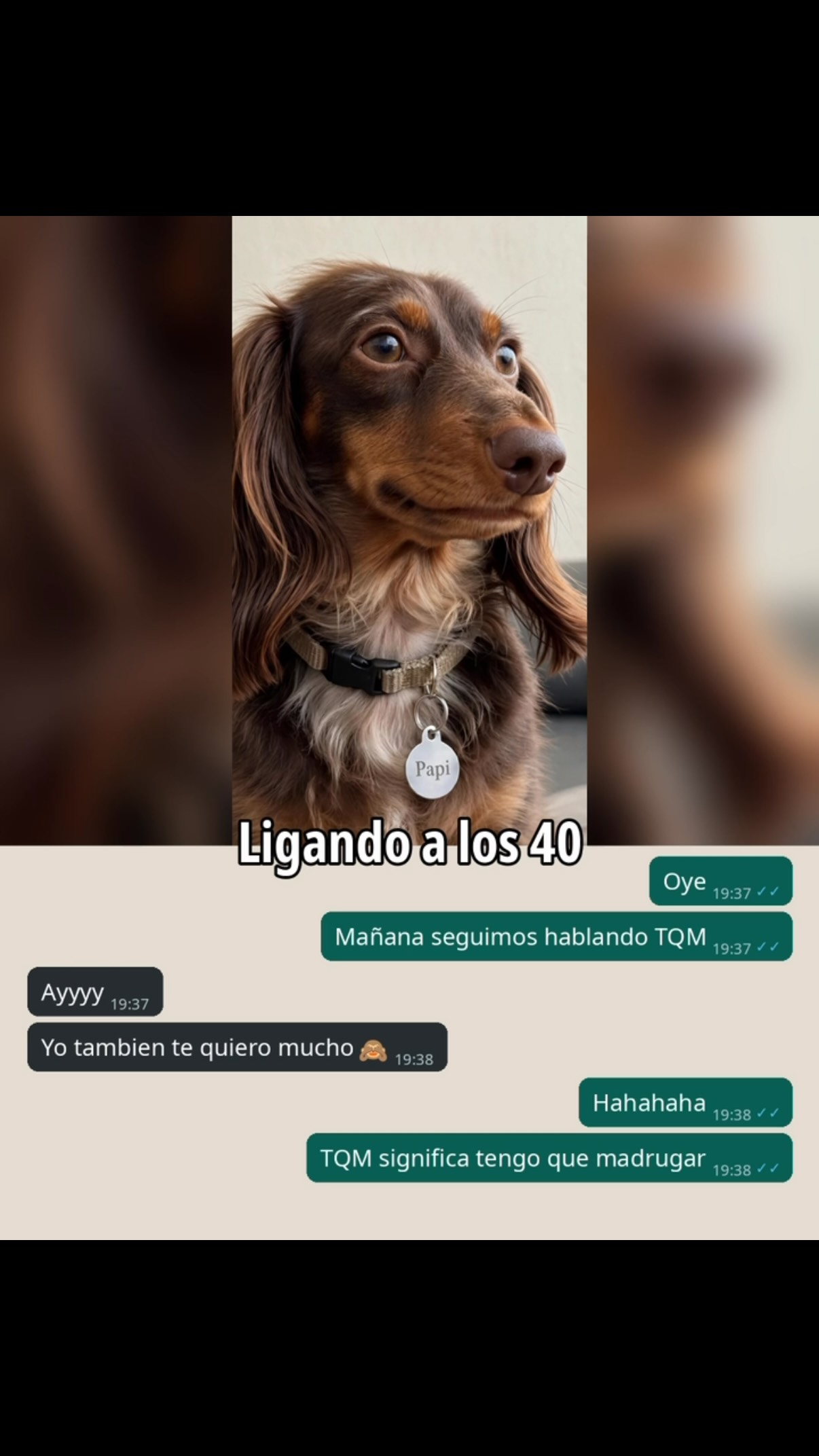
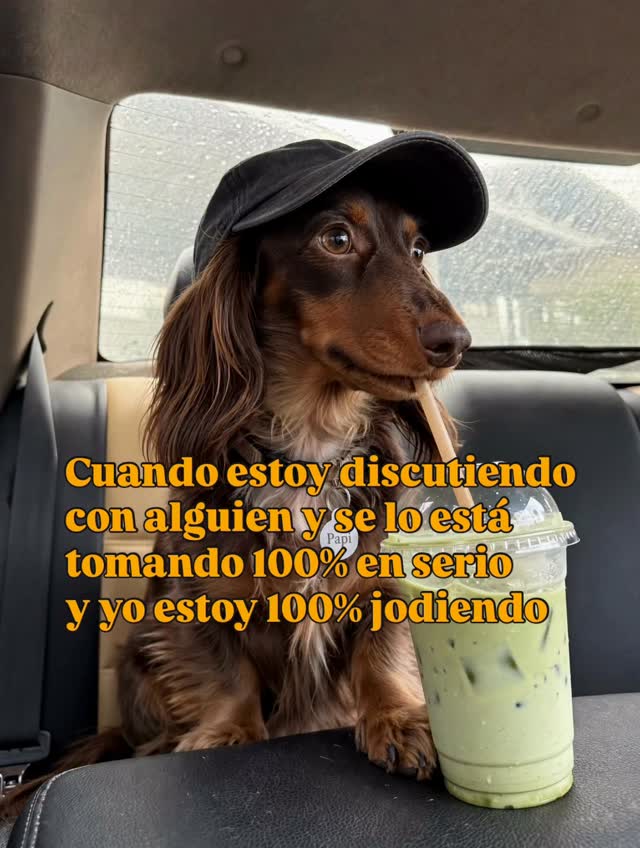
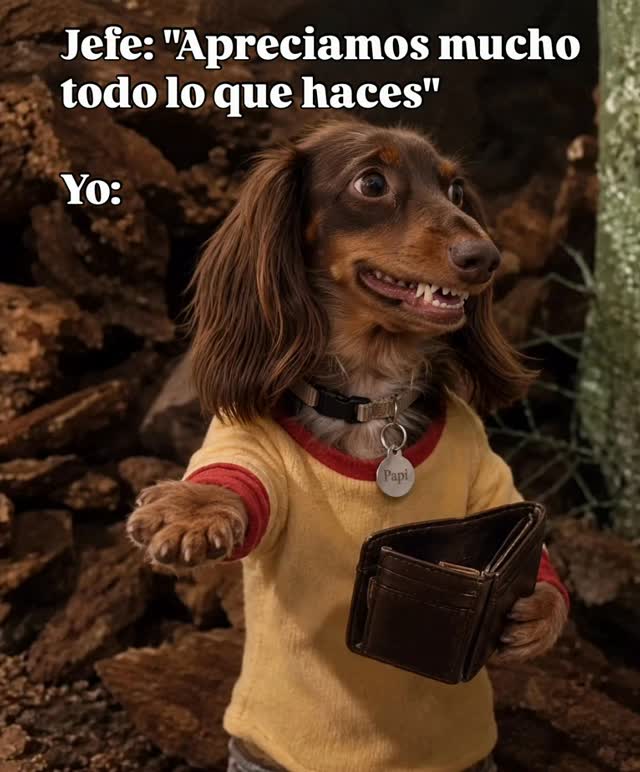
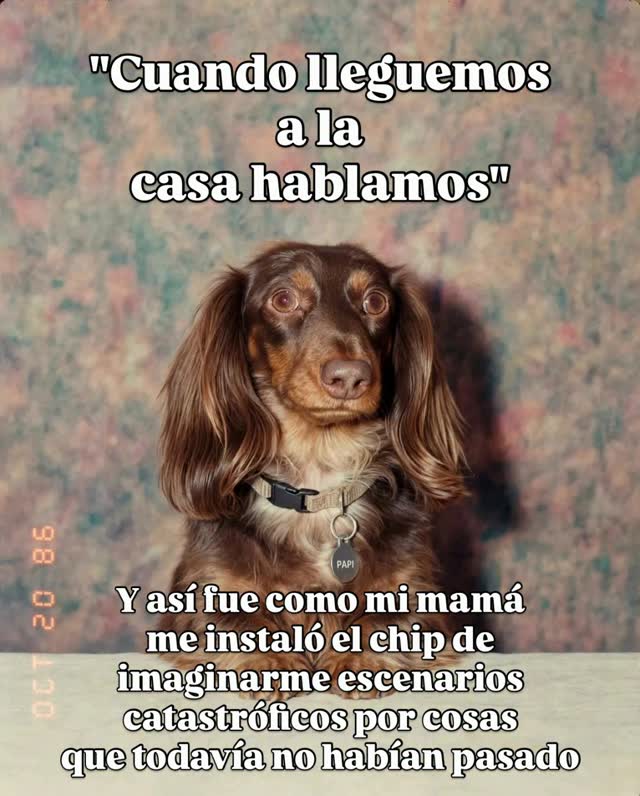
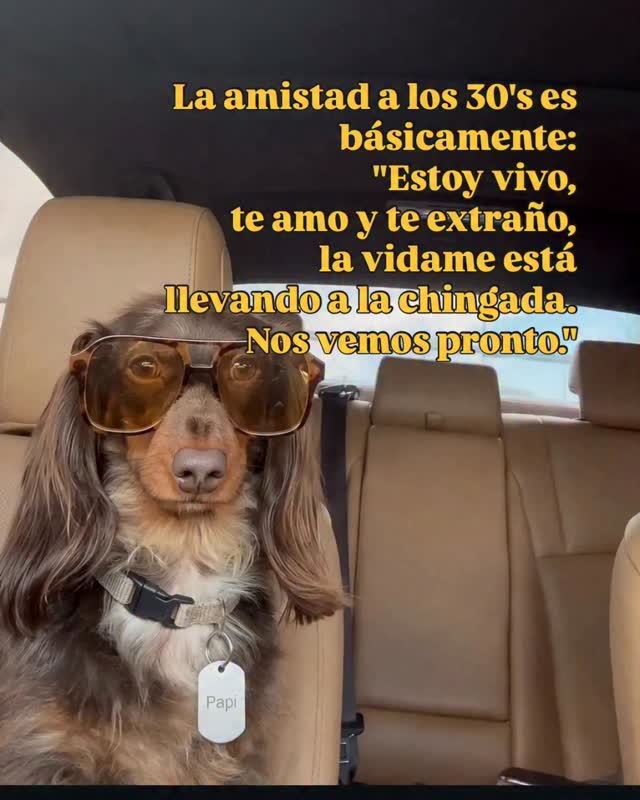
Papi es un proyecto de entretenimiento creado con inteligencia artificial: un dachshund de pelo largo, chocolate y de humor ácido, que juzga la vida cotidiana, la oficina, el tráfico, la familia y la cultura pop, con la autoridad de quien no paga renta.
Nació para promover la cultura, la risa y el contenido en español: publica todos los días en Instagram como @papi_elinfluencer. No muerde. Juzga, que duele más.



En 2009, Geo fundó y dirigió en Bogotá Dominio G Televisión LGBT+H, el primer canal de televisión por internet de Colombia dedicado a la comunidad LGBT+H. Estuvo al aire hasta 2011, fue noticia en El Tiempo, Caracol Radio y la agencia EFE, y ganó cinco premios internacionales entre 2010. Esta fue la promo del canal:
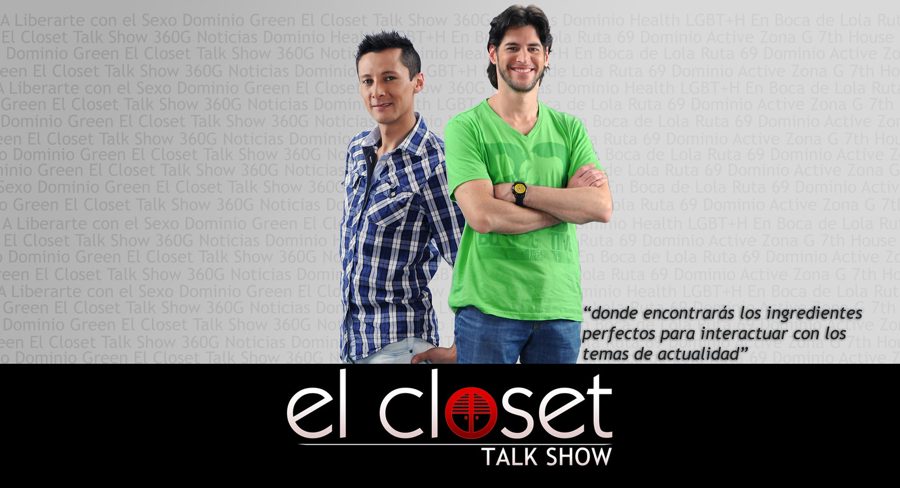
El talk show del canal: un contenedor temático dividido en secciones de notas que informaban y mantenían al tanto a la audiencia de todo lo que sucedía en el mundo e involucraba a la comunidad LGBT+H, con invitados que salían del clóset frente a cámara.
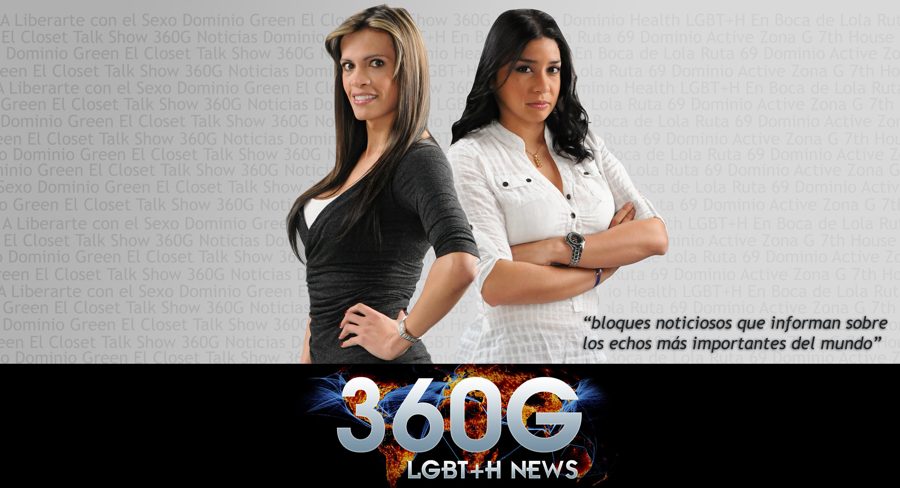
La mirada en 360 grados: actualidad, cultura y entretenimiento de la comunidad, en el formato revista del canal.

Humor y picardía: Lola lo decía todo, sin filtro, el programa de chismes y opinión de Dominio G.
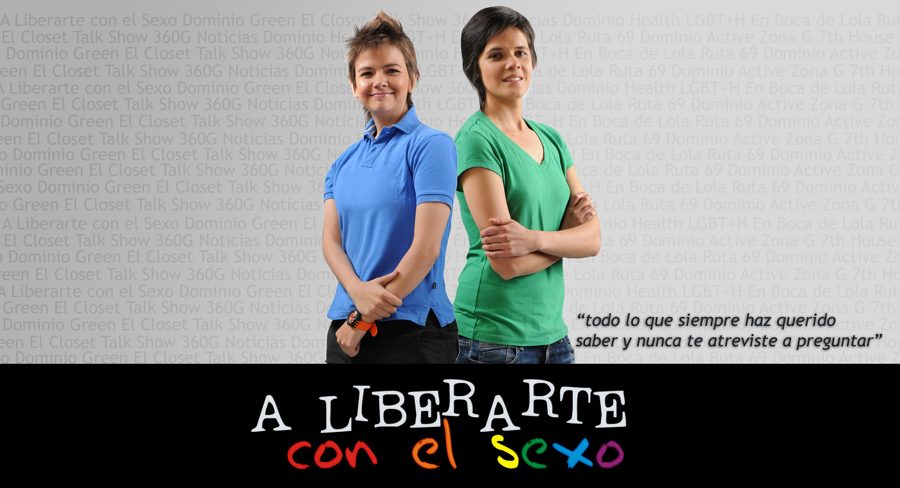
Un punto de encuentro entre psicólogas e invitados LGBT+H para compartir experiencias, resolver inquietudes y romper los mitos y tabúes sobre la sexualidad.
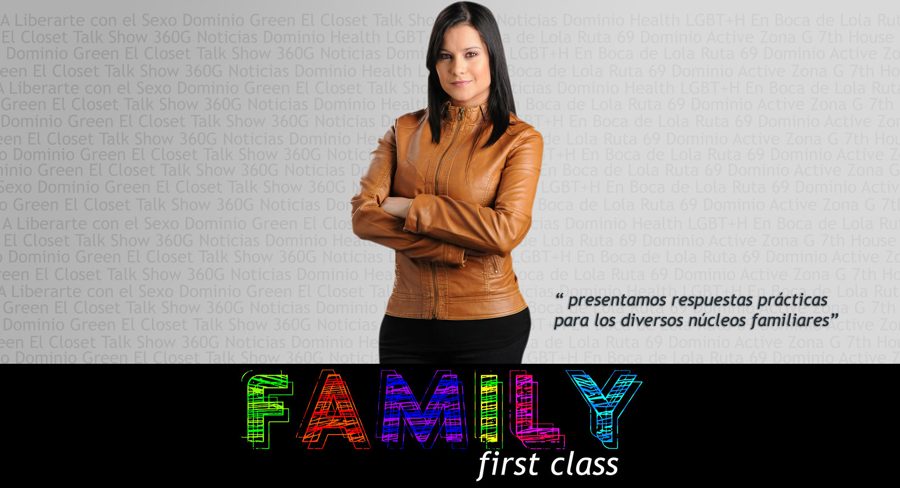
Programa del canal: las familias diversas, en primera clase.
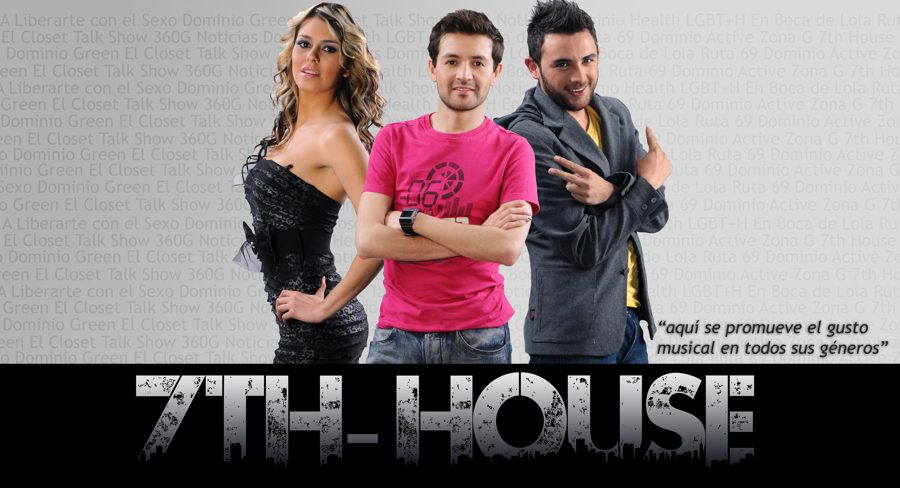
Programa del canal: la casa donde cabía toda la comunidad.
Y esta otra pieza del canal, la diversidad como símbolo patrio:
“Many people are learning to edit, but few are learning to narrate.” Geo Aragón's book on the art of telling stories from the editing room: not how to edit, but how to do storytelling.
DISCOVER THE BOOK
Some editors cut. Geo Aragón tells. With more than 20 years of experience, his name stands behind stories that millions of people could not stop watching: on the television that defined a country, on the platforms the whole planet now watches, and on the screens that fit in a pocket.
His path began editing short-form shows; from there he moved into long form, the series and telenovelas of Colombian prime time, watched by millions, and later into producing content for the business figures with the largest audiences in the world. He has supervised teams of more than 40 people and thousands of pieces for broadcast and streaming, and his work has played on social media, television, radio, webinars, pay TV and live events. If it has a screen or a speaker, one of his stories has probably already passed through it.
Those who have watched him work all describe the same thing: a pulse. His technique fits in one sentence, the story leads, and it shows in every cut: each decision answers what the viewer must feel, and at exactly which second. For Geo, editing is writing with images: structure, rhythm, breath and impact; and directing is creating the moment in which emotion actually happens, instead of acting it. That is why his work is recognizable without seeing the credits: a scene of his does not just look good. It stays with you.
That eye was no accident. In 2007 he left Bogotá for Burbank, California, to study Film & TV Post & Production at Video Symphony, one of Hollywood's most important post-production schools, on the level of the New York Film Academy, but devoted to a single craft, and the world's number-one Avid training center. He did not cross a continent to learn buttons or keyboard shortcuts: he went looking for creative horizons, to understand storytelling beyond the edit, to discover how an emotion is built and how a story becomes an experience. He came back with a conviction that still defines him: technique can be learned; judgment is conquered.
Back in Colombia, he did what no one had done. In 2009, when “streaming” was still a strange word, he founded and directed Dominio G: the country's first online streaming television channel, created for the LGBT+H audience. Without permission and without a map, the channel made the news in El Tiempo, Caracol Radio and the EFE agency, and in 2010 it won five international awards. Because being a pioneer is not about arriving first: it is about building what does not yet exist and holding it up until the world understands it.
From prime time to the phone screen: Geo has told stories in every format where content lives today.
When he launched Dominio G, national and international press told the story. These are the pieces that recorded it:
“An LGBT television channel is already on air on the internet, it is called 'Dominio G'”
READ THE STORY →“First Colombian internet TV channel for homosexuals”
READ THE STORY →“First television channel aimed at the homosexual community begins broadcasting online. Geo Aragón, director”
LISTEN TO THE STORY →He started in Colombian television editing short-form shows and from there moved into long form, prime-time series and telenovelas; he later supervised post-production of international formats for Sony Pictures Television, leading a team of more than 40 people, and produced over 2,500 promos at Warner Bros. Discovery. He then took that craft to the digital content of business figures with audiences in the millions, never letting go of his own: Dominio G, Colombia's first LGBT+H internet TV channel, which he founded and directed, and his book CTRL+S (Storytelling).
Grant Cardone Enterprises: direct-response video content for a sales ecosystem that reaches millions of followers.
Valuetainment: interviews and business pieces around Patrick Bet-David, where every video hunts for the moment people share.
The project: content created at the firm's Halloween party, among lawyers, costumes and celebration.
The project: production of conferences and programs that teach how to scale companies, alongside Brandon Dawson.
The project: taking global campaigns into every Latin American market without losing their idea or their language.
The project: post-production of Colombian cinema, from the first cut to the final finish.
The project: promos that sell a series or a film in 30 seconds, for the whole region.
Shark Tank México: entrepreneurs pitch their business to five sharks ready to invest their own money.
Shark Tank Colombia: the Colombian version of the tank, with local entrepreneurs negotiating with the sharks.
Are You The One?: singles live together searching for their ideal match, the one an algorithm chose for them.
La Niña: a young woman who grew up in the guerrilla tries to rebuild her life far from the conflict.
Tarde lo conocí: the life of Patricia Teherán, the woman who became the female voice of vallenato.
Así Somos: a journey through the customs and identity of Colombia's regions.
Qué Camello: the trades of Colombians, told from everyday work.
Bichos: Colombian wildlife told for kids and families.
Celia: the life of Celia Cruz, from Havana to the world throne of salsa.
The project: promos of destinations and the onboard experience, from the Panama Canal to the Caribbean.
La Pola: the story of Policarpa Salavarrieta, the heroine who spied for Colombia's independence.
El Joe, la leyenda: the life of Joe Arroyo, the Cartagena singer who turned his sound into a Caribbean anthem.
Dr. Mata: the real case of a serial killer who shook 1940s Bogotá.
Some books teach you how to run a program. CTRL+S (Storytelling), the book by storyteller and editor Geo Aragón, sets out to do something more uncomfortable and more useful: teach you how to think like an editor.
“Many people are learning to edit, but few are learning to narrate.”
The book's story begins in the mid-nineties, when Aragón's father took him as a child to a production house and let him watch, fascinated, as a story was built among tapes, monitors and buttons. It was the age of linear editing, when CTRL+Z was still a luxury and every decision cost time and material. That is where the habit that runs through every page comes from: think before you cut, look at the story before you touch it.
Written between 2024 and 2026 and now in its second edition, CTRL+S starts from a conviction: the tool never makes the most important decision, the editor does. That is why there are no keyboard shortcuts or effects recipes. What there is, is a question repeated like a metronome throughout the book: what do I want the viewer to feel?
“The tool never makes the most important decision. The editor does.”
The 23 scenes that follow the prologue and introduction cover the craft from start to finish: seeing before cutting, the rhythm that lives in the heart and in the ear, music that must not steal the scene, light and color as subtext, the invisible cut, the emotional architecture of a story, editing non-fiction without betraying it, working under pressure, and the art of letting the good go to protect the best. Each scene mixes real production stories, principles and working systems that can be trained, with one clear bet: judgment is not a mysterious talent, it is built.
The title holds the central metaphor. In an editing room, CTRL+S saves the project; in these pages, it saves the story: from rushed decisions, from excess effects, from technique without intention. It is a book for editors, directors and creators who already know how to move clips and want to take the next step, learning to narrate. Its release will be announced soon.
The character and the channel that started it all: two projects of his own running alongside the client work.
Papi is an entertainment project created with artificial intelligence: a long-haired chocolate dachshund with acid humor who judges everyday life, the office, the traffic, the family and pop culture, with the authority of someone who pays no rent.
He was born to promote culture, laughter and Spanish-language content: he posts every day on Instagram as @papi_elinfluencer. He doesn't bite. He judges, which hurts more.
In 2009, Geo founded and directed Dominio G Televisión LGBT+H in Bogotá, Colombia's first internet television channel dedicated to the LGBT+H community. It aired until 2011, made the news in El Tiempo, Caracol Radio and the EFE agency, and won five international awards in 2010. This was the channel's promo:
The channel's talk show: a themed container of segments keeping the audience up to date with everything happening around the world involving the LGBT+H community, with guests coming out on camera.
The 360-degree look: news, culture and entertainment from the community, in the channel's magazine format.
Humor with bite: Lola said it all, unfiltered, Dominio G's gossip and opinion show.
A meeting point between psychologists and LGBT+H guests to share experiences, answer questions and break the myths and taboos around sexuality.
A channel show: diverse families, in first class.
A channel show: the house where the whole community fit.
And this other piece from the channel, diversity as a national symbol: